
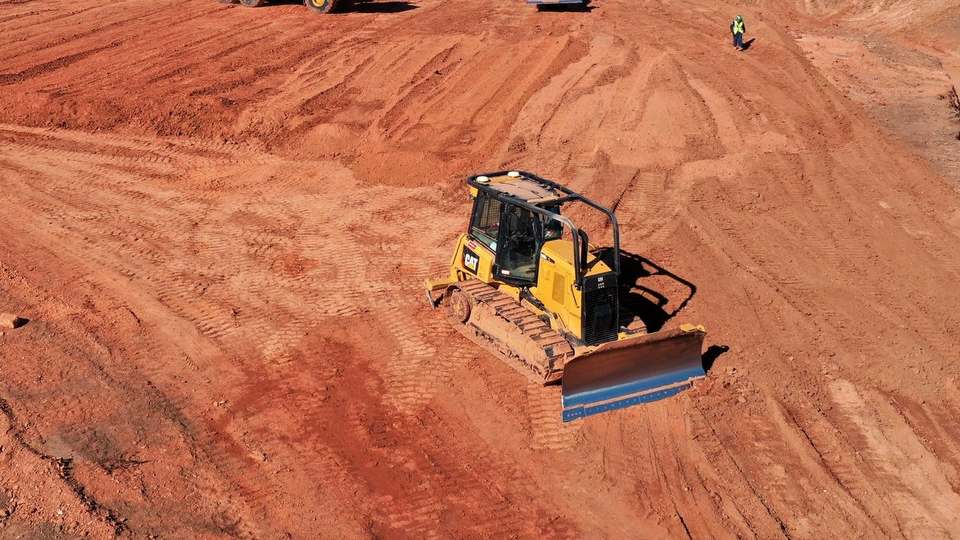
Demolition that ends with a buildable lot
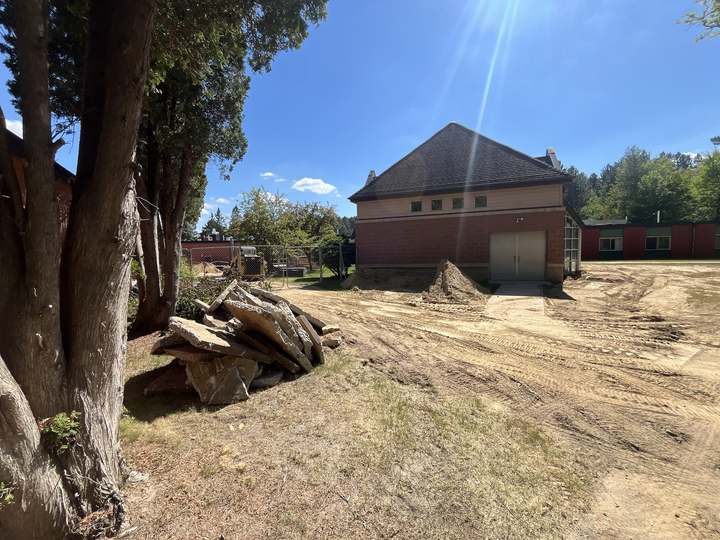
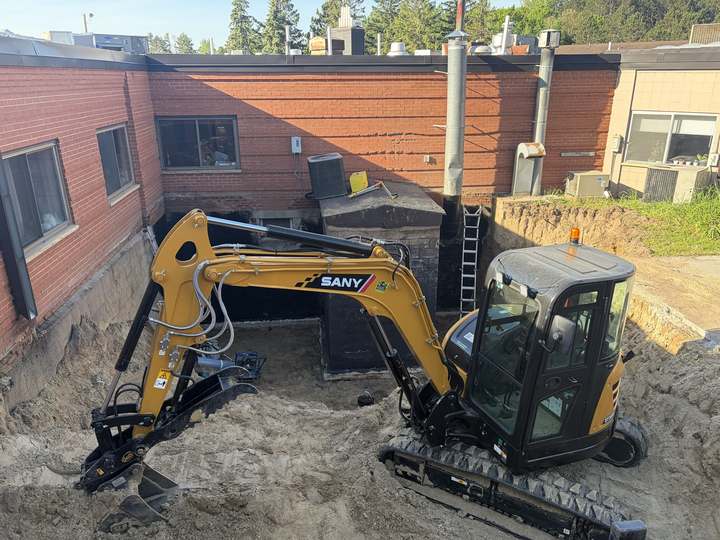
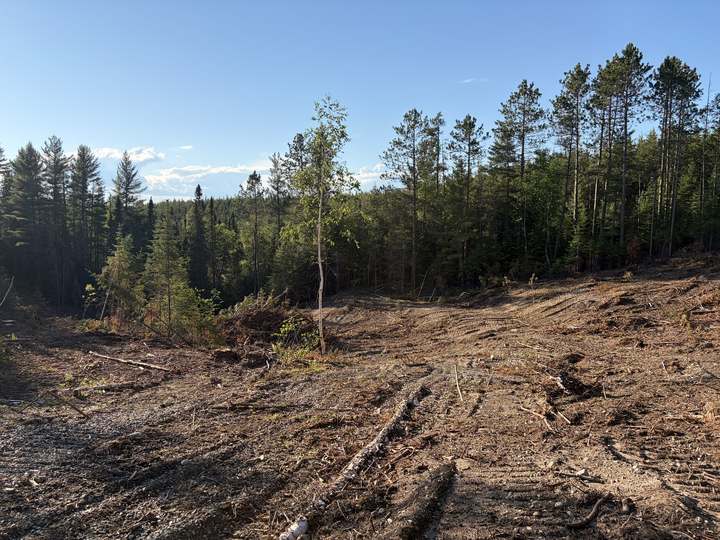
Knocking a building down is the fast part. The work that matters is everything around it: utilities shut off and sealed, the foundation and footings taken out, every load hauled to a permitted disposal site, and the holes filled and compacted so the lot doesn't sink a year from now.
We quote all of it up front, so you know what you're getting: down, out, and graded.

Permits and utilities
Most cities in the metro require a demolition permit before a structure comes down. In Oklahoma City, the permit needs sign-offs showing gas, electric, and water service have been disconnected and sealed. Multi-family, commercial, and industrial buildings also need state environmental approval, and older buildings can contain asbestos that has to be handled first. We tell you which of these apply to your property and what order they happen in, so the machine shows up on a site that's actually ready to come down.
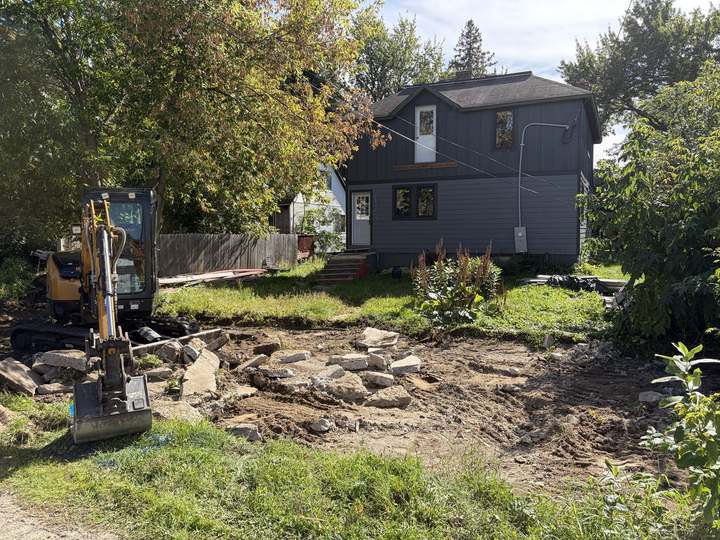
What we tear out
Houses and outbuildings. Fire-damaged, storm-damaged, or just done. We take the structure, the slab or pier foundation, and the debris.
Pools. In-ground pools broken out and filled with compacted fill so the yard is usable again. A partial removal takes the top of the pool out, breaks the floor so it drains, and buries the rest. A full removal takes the whole shell out. Full removal costs more, and it's the right call if you ever want to build on that spot.
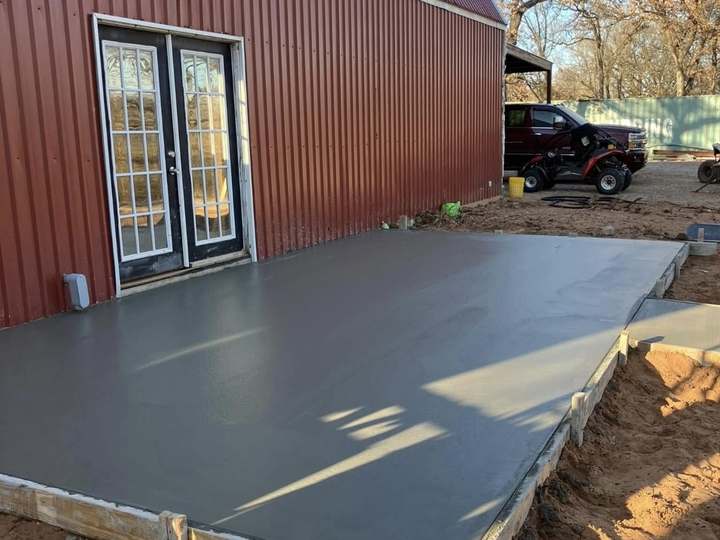
Concrete. Old driveways, patios, slabs, and foundations broken out and hauled, with the area graded for new work. Pair it with our concrete work and the new pour goes on the base we just prepped.

What drives the price
Demolition pricing comes down to size, what the building is made of, how far the debris travels to disposal, and how close it sits to things that need to stay standing. A detached garage with open access is a quick job. A two-story house between two neighbors takes more care and more loads. Your quote spells out the haul-off and the final grade, so there's no second bill for cleanup.